Synopsis:
Porsche brake systems are engineered for precision, which means early trouble often appears as subtle changes rather than sudden failure. All German Auto explains how performance brake design, local driving conditions, and gradual wear affect braking safety, helping owners recognize issues early and act before damage escalates.
- Performance brakes show sensory changes before visible wear
- Noise, vibration, and pedal feel often signal early trouble
- Heat and stop-and-go driving accelerate brake wear
- Delayed inspections increase safety risks and component damage
Because Porsche uses performance-focused brake components rather than conventional designs, those early signs can feel different than what drivers expect from standard vehicles. Factors such as heat, frequent stops, and elevation changes, common in Escondido and nearby areas, can further influence how quickly wear develops. Small changes in sound, feel, or stopping response often appear long before a true brake failure occurs.

At All German Auto, we work closely with Porsche owners who want to stay ahead of issues rather than react to them. We explain how to spot the early signs of Porsche brake trouble, what those signals mean, and when it makes sense to have your vehicle inspected by a Porsche mechanic you can trust.
How Porsche Braking Systems Are Engineered
Performance-Based Brake Design
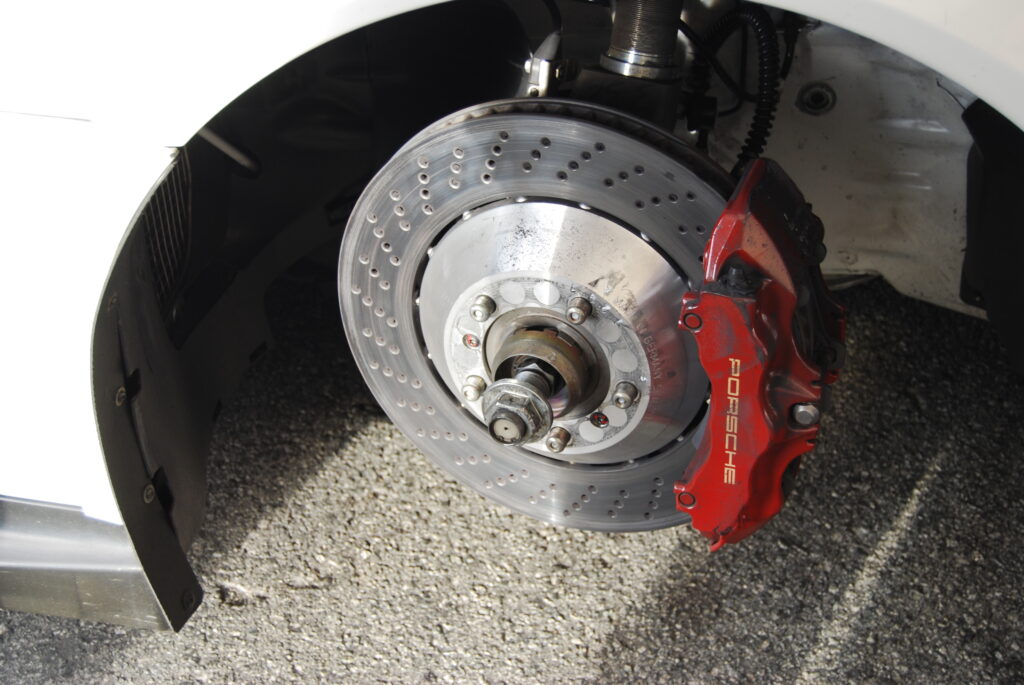
Porsche engineers brake systems for track-capable performance, even in daily-driver models. Larger diameter rotors dissipate heat more effectively during aggressive stopping. Multi-piston calipers distribute clamping force evenly across the pad surface. Performance brake pads use higher-friction compounds designed for repeated hard stops without fade. These components work within tighter tolerances than economy vehicle brake systems, which means small variations in function become noticeable to attentive drivers.
The braking systems on 911, Cayenne, Macan, and Cayman models prioritize immediate response and consistent pedal feel. That precision creates predictable feedback but also means wear or degradation shows up earlier in the form of sensory changes rather than complete failure.
Why Early Symptoms Appear Subtle
Performance brakes wear progressively, not catastrophically. The high-quality materials resist sudden failure but show gradual performance decline. You might notice a slight change in pedal travel one week, a minor vibration the next, or occasional noise that wasn’t there before. These symptoms appear subtle because the system continues functioning, just not at the engineered performance standard.
Ignoring these early signs allows wear to accelerate. What starts as a $400 pad replacement can become a $2,000 rotor and caliper service if left unaddressed.NHTSA data indicates brake problems account for about 22% of crashes where mechanical vehicle failure was the critical factor.
The Most Common Early Signs of Porsche Brake Trouble
Brake Squeal That Changes With Speed
Light, high-pitched squealing during braking often indicates pad wear approaching the sensor threshold. Porsche brake pads include wear sensors that create noise when pad material reaches minimum thickness. If you hear squealing that intensifies with braking force or changes pitch as you slow from highway speeds, the wear indicators are doing their job.
Temperature-related noise differs from wear squeal. Brakes may squeak briefly on cold mornings or after rain, then go silent once warmed. Persistent squealing throughout your drive, regardless of temperature, signals actual wear that requires inspection.
Vibration Through the Steering Wheel or Pedal
Feeling a pulsing vibration through the steering wheel during braking suggests rotor surface variation. Rotors develop minor high and low spots through repeated heat cycling. As brake pads clamp against these uneven surfaces, you feel rhythmic pulsing that matches wheel rotation speed.
Early rotor variation doesn’t always appear visually. The surface looks smooth but has microscopic thickness differences that become tactile at moderate to heavy braking. This symptom progresses quickly once it starts because uneven pad contact accelerates local wear, creating deeper grooves that eventually require rotor replacement.
Longer Stopping Distances
Your Porsche should stop confidently with moderate pedal pressure. If you notice yourself pressing harder to achieve the same stopping distance, or if you need to leave more following distance than before, pad friction has decreased. Glazed pads develop a hard, smooth surface that reduces grip against the rotor. This happens gradually through repeated light braking that never fully heats the pad material, common in urban driving.
Performance braking feel changes so gradually that many drivers adapt without realizing that stopping distances have increased. Pay attention to how much pedal pressure your normal stops require. Increasing pressure for the same result indicates pad compound degradation.
Brake Pedal Feel Changes
A softer pedal with more travel before engagement often points to hydraulic issues or pad wear. As the pads thin, caliper pistons extend farther to make contact, which can introduce more compliance into the system. Air in brake lines, aging brake fluid that has absorbed moisture, or early caliper seal wear also create a soft pedal feel.
Conversely, a pedal that feels firmer than normal with less travel might indicate pad material breakdown or contamination. Neither extreme is normal, and both warrant inspection from experienced Porsche auto repair shops familiar with proper pedal feel specifications for your model.
Brake Warning Lights or Service Messages
Porsche vehicles use sophisticated wear sensors embedded in brake pads. When the dashboard displays a brake warning or service message, pad material has reached the minimum safe thickness. Some drivers assume they can wait a few hundred more miles, but the sensor triggers intentionally early to provide a service window before metal-to-metal contact damages rotors.
Modern Porsches also monitor brake fluid level and, on some models, pad thickness through electronic sensors. These warnings don’t appear randomly. They indicate actual conditions requiring prompt attention.
Sounds Porsche Owners Often Misinterpret
Grinding vs Metallic Scraping
Grinding noise means metal-to-metal contact between the pad backing plate and rotor. This happens after pad material has completely worn away. The sound is unmistakable: loud, coarse, and present even during light braking. By this point, rotors are being damaged with every stop.
Metallic scraping sounds different. It’s higher-pitched, often intermittent, and may occur only during specific maneuvers like parking lot turns. This usually indicates a small stone or debris caught between the pad and rotor, or early pad material deterioration at the edges. While less severe than grinding, metallic scraping still requires inspection to prevent accelerated wear.
Clicking or Clunking During Low-Speed Braking
Hearing distinct clicks or clunks when braking at low speeds, particularly during parking maneuvers, points to loose pad hardware or worn anti-rattle clips. Brake pads sit in mounting brackets with spring clips that hold them in position. These clips wear over time, allowing slight pad movement that creates audible clicks.
This symptom differs from major component failure but shouldn’t be ignored. Loose pads wear unevenly, and the movement can damage the caliper bracket over time. Replacing worn hardware costs significantly less than repairing secondary damage caused by loose components.
How Driving Habits in Escondido Affect Porsche Brakes
Stop-and-go traffic along Interstate 15, Valley Parkway, and Centre City Parkway creates frequent light braking cycles that don’t fully heat brake components. Pads need occasional temperature increases to properly transfer friction material onto rotor surfaces. Constant low-heat stops can glaze pads, reducing effectiveness.
Escondido’s climate adds another factor. Summer temperatures regularly exceed 90°F, and brake components already generate significant heat during use. Ambient heat reduces cooling efficiency between stops, keeping rotors and calipers at elevated temperatures longer. This accelerates brake fluid moisture absorption and can contribute to pad material breakdown.
Short trips around town rarely allow brakes to complete full heat cycles. Pads heat up during stops but don’t cool completely before the next trip. This incomplete cycling prevents proper material transfer and can accelerate uneven wear. Drivers who primarily make short local trips often need brake service sooner than those who include regular highway driving.
Why Ignoring Early Brake Signs Leads to Bigger Repairs
Worn brake pads damage rotors through metal-to-metal contact. Once rotor surfaces are scored or grooved beyond specifications, they require replacement rather than resurfacing. What starts as a $400-600 pad replacement becomes a $1,200-2,000 job when rotors need replacement.
Heat stress from worn pads affects calipers and brake fluid. Calipers operating at elevated temperatures experience accelerated seal wear. Brake fluid exposed to excessive heat loses effectiveness and absorbs moisture faster, reducing its boiling point. Lower boiling points create the risk of brake fade during emergency stops.
NHTSA tests show brake assist systems can shorten emergency stopping distances by up to 20 feet in some vehicles compared to non-assisted braking. For a Porsche traveling at 60 mph, this translates to an additional 20-30 feet before complete stops, a critical difference in accident avoidance.
How Porsche Brake Inspections Actually Work
What a Porsche-Specific Brake Inspection Includes
Proper Porsche brake inspections measure pad thickness at multiple points using precision calipers. Technicians check for uneven wear between inner and outer pads, which indicates caliper problems. Rotor thickness measurements at several locations identify variation that causes vibration.
Rotor runout checks measure lateral movement as the rotor spins. Even 0.002 inches of runout creates noticeable pedal pulsation in Porsche braking systems due to their tight tolerances. Brake fluid condition testing determines moisture content and remaining service life. Visual inspection of sensors, hardware, and caliper operation completes the assessment.
Why a Porsche Mechanic Matters
Generic brake inspections miss Porsche-specific wear patterns and performance requirements. Porsche brake systems use unique pad compounds, specific rotor cooling designs, and brand-specific hardware that requires specialized knowledge. A technician experienced with Porsche models recognizes early wear patterns that general mechanics might dismiss as normal.
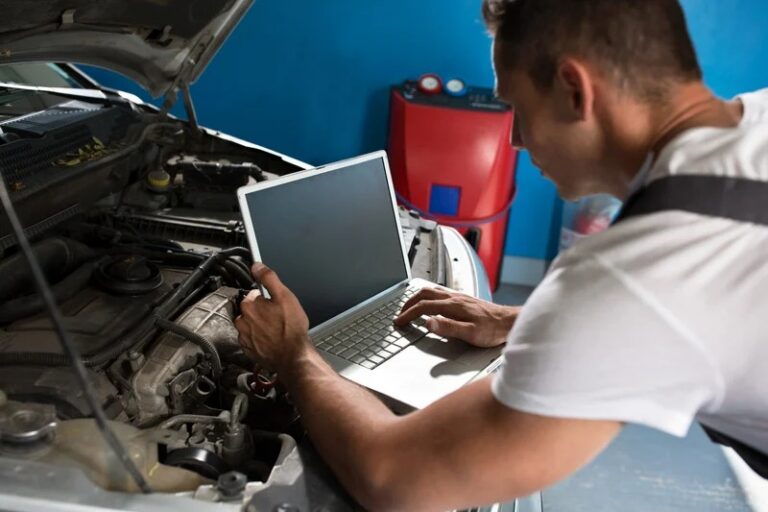
Diagnostic equipment matters too. Porsche-specific scan tools access brake system data that generic code readers cannot. These tools monitor sensor function, fluid conditions, and system performance parameters that help identify problems before they become obvious to drivers. When searching for Porsche auto repair near you, look for shops with Porsche-specific diagnostic capabilities and technicians trained on German performance vehicles.
Brake Trouble vs Normal Wear
All brake pads wear during use. Normal wear occurs evenly across the pad surface, progresses at predictable rates based on driving style, and doesn’t produce unusual noises or vibrations. Porsche brake pads typically last 25,000-40,000 miles under normal driving conditions, though performance driving reduces this significantly.
Abnormal wear shows up as uneven pad thickness, scoring or grooving on pad surfaces, or premature material loss. Pads wearing faster than expected might indicate caliper problems, contaminated friction material, or incorrect pad compounds installed during previous service.
Factory maintenance schedules call for brake inspections at specific intervals, typically during Porsche oil change services or scheduled maintenance visits. However, symptoms should never wait for scheduled service. If you notice any of the warning signs discussed, schedule an inspection regardless of your mileage since the last service.
When to Schedule Brake Service Instead of Waiting
Mileage recommendations provide general guidance, but your Porsche’s brake condition depends on how and where you drive. Frequent mountain driving, track use, or heavy traffic commuting all accelerate wear beyond standard estimates. Symptom-based service makes more sense than waiting for arbitrary mileage intervals.
Schedule an inspection immediately if you experience:
- Any grinding noises during braking
- Brake warning lights or service messages
- Noticeable changes in stopping distance
- Pedal feel that differs from normal
- Vibrations during braking that persist
Many drivers wait too long because symptoms seem minor or intermittent. By the time they search for Porsche auto repair near them, preventable damage has occurred. Early inspection costs far less than correcting problems that develop while waiting.
Choosing the Right Porsche Auto Repair Shop in Escondido
Not all Porsche auto repair shops offer the same expertise. Look for facilities with Porsche-trained technicians who have worked extensively on your specific model. Ask about diagnostic equipment and whether they use OEM or OEM-equivalent brake components. Aftermarket economy brake parts don’t meet Porsche performance standards and can compromise both safety and driving dynamics.
Experience matters significantly with performance brake systems. Shops that regularly service Porsches understand proper pad bedding procedures, rotor machining tolerances, and bleeding techniques specific to Porsche ABS systems. They recognize subtle symptoms during test drives that indicate early problems.
All German Auto focuses exclusively on German vehicles and provides reliable Porsche auto repair services in Escondido. Our technicians are experienced in Porsche brake systems across all model lines. We use factory-grade diagnostic tools and install only OEM-quality components that maintain your vehicle’s engineered performance.
Catching Brake Problems Early Protects Performance and Safety
Early detection of Porsche brake trouble protects both your vehicle’s value and your safety. The warning signs we’ve covered appear well before complete failure, giving you time to schedule service before expensive secondary damage occurs. Pay attention to changes in brake feel, unusual noises, and dashboard warnings. These symptoms indicate your Porsche’s precisely engineered brake system needs professional attention.
Regular brake inspections during routine maintenance catch wear before it becomes dangerous. When you notice any brake symptoms, don’t wait for your next scheduled service. Are you looking for a Porsche mechanic in Escondido? Contact All German Auto at (760) 738-4626 or [email protected] to schedule a comprehensive brake inspection. We serve Escondido and nearby communities with the expertise your performance vehicle deserves.